

April 7, 2025
What is creatine?
Creatine is a nitrogenous compound synthesized in the human body from three amino acids: glycine, argine and methionine. When metabolized by the body, creatine is converted into creatine phosphate. This substance promotes the regeneration of ATP (adenosine triphosphate) – the main source of cellular energy – which is why it is commonly consumed as a supplement for physical training. Although creatine is a safe substance, it is essential to respect the recommended dosages and keep the body hydrated to avoid side effects such as kidney problems or muscle cramps.
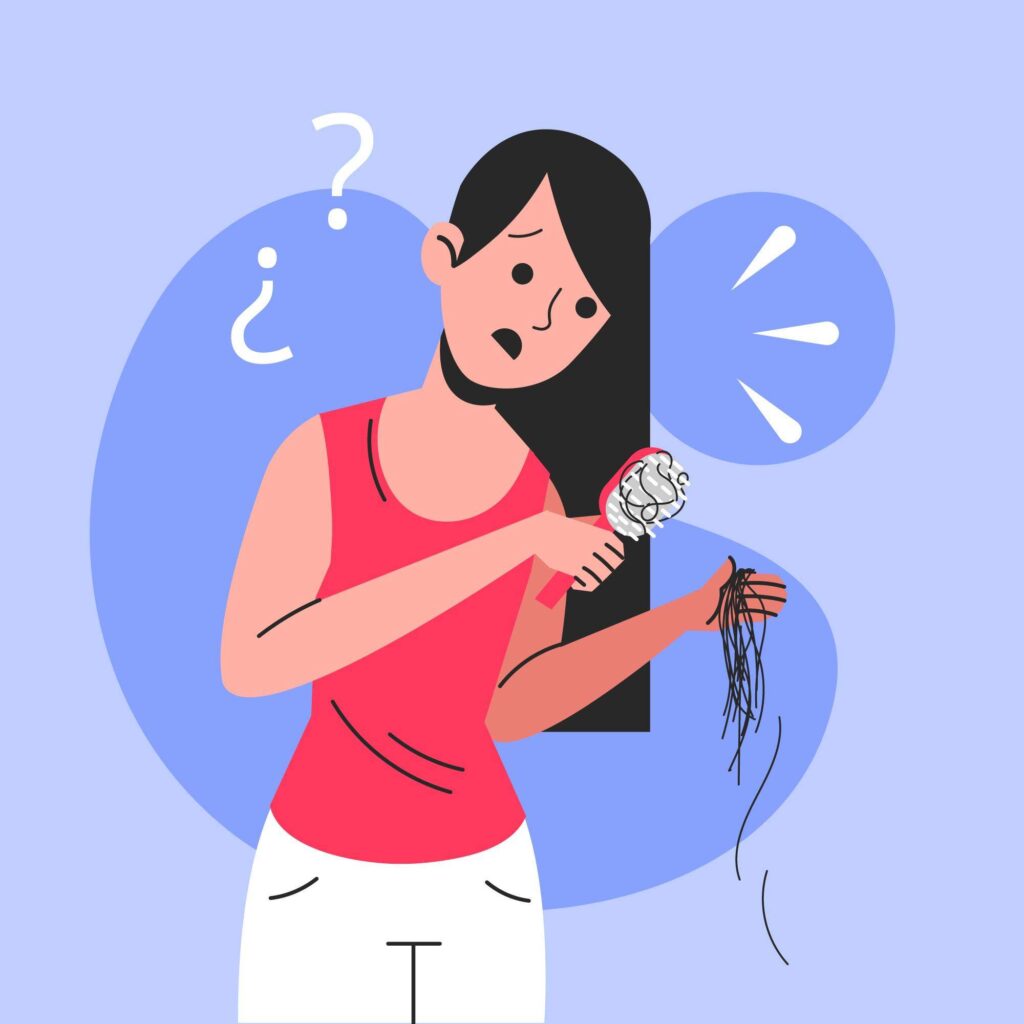
Creatine and androgenetic alopecia: debunking myths
The main factor supporting the theory that creatine could cause hair loss was the increase in DHT levels. As men with a genetic predisposition to androgenetic alopecia approach andropause, they begin to notice a gradual loss of hair density, followed by the appearance of bald patches. This occurs because the hair follicles of men suffering from androgenetic alopecia develop a hypersensitivity to this hormone. The higher the DHT levels in people predisposed to this condition, the more severe the hair loss will be.
Real relationship between creatine and hair loss

Androgenetic alopecia is determined by individual genetics, resulting from a hereditary predisposition of the hair follicles themselves to the action of DHT. Although it is a hormone that is higher in men, women also produce it, as androgens, including DHT, perform essential functions in both sexes. In this context, creatine is only harmful for people who carry this genetic inheritance, but even in these situations, its effects should be quite limited, if not residual.
In fact, there is no evidence that creatine causes hair loss, and it has not been shown that this substance causes the miniaturization of hair follicles. Even so, some precautions should be taken during the period of consumption:
- Hydration: Creatine can lead to water retention in the muscles, so it is essential to maintain regular hydration. Otherwise, the oxygenation of the hair follicles may be compromised.
- Family history: People with a family history of baldness may be more sensitive to DHT, so it is essential to pay attention to any changes in the hair growth/loss pattern.
- Diet: Following a diet rich in essential vitamins and minerals, such as iron, zinc and biotin, helps maintain hair health, minimizing possible impacts of any supplements.
Recovering hair density with hair transplants
The problem with androgenetic alopecia does not lie in creatine consumption, but in individual genetics, which is why mitigating hair loss is only possible through clinical procedures. However, treatments with Minoxidil or platelet-rich plasma are unable to fill in bald areas. This result is only possible through hair implants – a procedure that involves removing hair units from a donor area, which are then inserted into the bald areas.
Conclusion
The relationship between creatine and hair loss has proven to be much more distant than suggested in 2009. Its effect on DHT levels does not result in an acceleration of androgenetic alopecia, especially in individuals without a genetic predisposition to this condition. Therefore, anyone who wishes to supplement with creatine can do so safely, as long as they respect the recommended doses and adopt healthy habits, such as maintaining adequate hydration and a balanced diet.

