
Dandruff Treatment
Dermanext Hair Transplant (DHT)
Hair and scalp products, both medicated and nonmedicated, are available as solutions, foams, gels, sprays, ointments and oils.
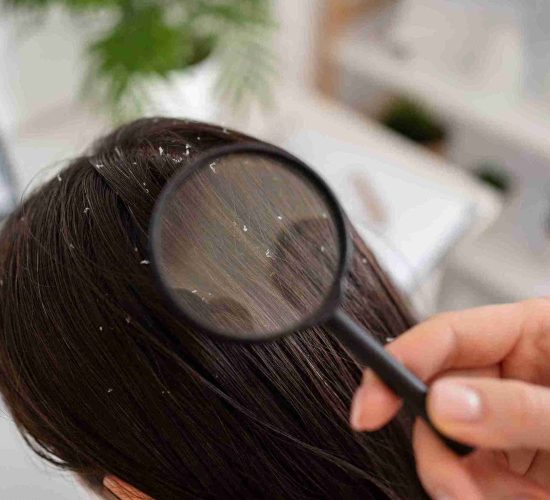
What is Dandruff?
Dandruff is a centuries-old, common skin problem that most people get bothered with from time to time in their lives. It happens when dry pieces of the scalp flake off and become noticeable in the darker hair or on the clothes of a person. It can impact social life, hair styling, and clothing worn by an individual.
How does dandruff appear?
Dandruff symptoms include:
- White or yellow skin flakes falling on the scalp, in the hair, and into the shoulders
- Itchy scalp
- Dry or greasy scalp
- Red scalp skin
- Irritated skin patches on the scalp and sometimes face.
What is the reason behind dandruff?
The human skin continuously sheds old or dead skin cells and gets replaced with new ones. Dandruff is the result of excessive and speedy growth and death of skin cells on the scalp. The dead cell shedding becomes more noticeable when they clump together with the natural sebum produced by the scalp skin and hair and this is what is called a worse form of dandruff.
Often, dandruff is related to seborrheic dermatitis- a chronic skin condition causing inflamed, red, itchy skin with greasy white or yellowish scales. Seborrheic dermatitis affects all those areas having excessively oily skin, especially the scalp. The dandruff seen in such a case is the worst form. It mainly happens because of the overgrowth of a yeast or fungus called Malassezia, which naturally resides on the skin surface or in the hair follicles opening. As Malassezia feeds on sebum produced by the skin’s sebaceous glands to keep the skin moisturised, excess sebum production allows Malassezia to flourish.
With the overgrowth of Malassezia, molecules are released by the yeast which irritates the skin and disrupts the normal renewal of the skin. This leads to extra growth and clustering of the skin cells and ultimately appearance of dry, white flakes. But, when excess sebum mixes with the cluster of cells, the dandruff appears yellow.
Why does everyone not get dandruff?
Although Malassezia is found on the scalp skin of everyone and normally shedding of skin cells takes place, still most people don’t get dandruff. That’s because dandruff occurrence depends on some factors, which can likely be its culprits. These include:
- Sebum secretion from the sebaceous glands- Those with oily scalp and hair are more likely to get dandruff
- Quality of the skin barrier- If the skin is damaged, the fungal colonisation on the scalp can penetrate deeper and cause a worse form of dandruff
- Immune system health of an individual- Poor immunity puts an individual at increased risk of overgrowth of fungal/yeast-causing dandruff. Stress can exacerbate dandruff
- Hair Care- Too frequent shampooing can overdry the scalp and less frequent shampooing may cause dead skin cells to build up. Both cases cause dandruff. Moreover, brushing or combing hair too much or with force can cause friction with the sensitive scalp skin, leading to dandruff
- Environmental factors- Scalp skin being exposed to sun can get damaged or become too dry causing the skin to flake off. Dust or dirt and even dry, cold weather exposure of the scalp and hair can cause dandruff
- Diet- A diet lacking essential nutrients can put an individual at more risk of dandruff.
- Pressure on the scalp- Wearing hats or any headgear can put pressure on the head and even cause sweating, thereby causing dandruff
- A reaction- Some people get dandruff as a reaction to the use of irritating hair products
- Some skin conditions- These include tinea capitis (scalp ringworm infection), contact dermatitis, eczema, and psoriasis.
How is dandruff diagnosed
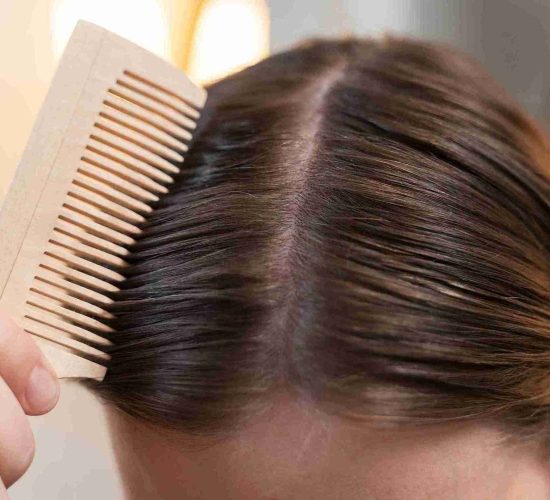
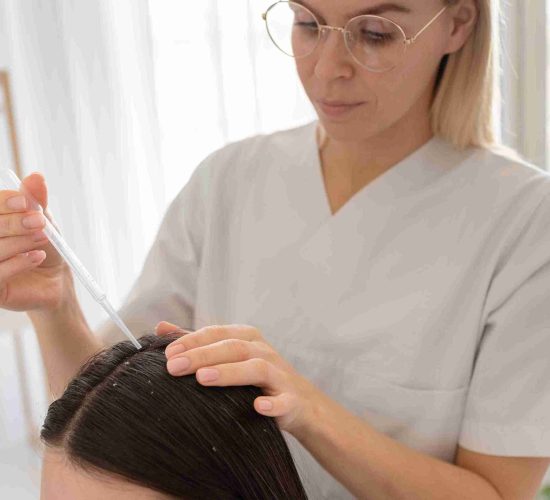
A physician reviews the symptoms and examines the scalp and skin of an individual. If the symptoms appear severe and the individual isn’t responding to self-care treatments, an individual is advised to see a dermatologist.
How is dandruff treated?
Mostly dandruff is treated with an anti-fungal shampoo and scalp treatments that control the growth of Malassezia. Skin experts recommend either both or one of the two approaches, depending on the severity of the dandruff and the individual’s scalp condition.
The different treatment options for dandruff are:
- Anti-dandruff shampoo- It is of several different kinds. A shampoo that contains one of these ingredients like antifungal, salicylic acid, and others must be chosen to treat dandruff.
An anti-dandruff shampoo that suits an individual’s skin type must be used to wash hair and scalp for at least a month to get rid of flakes and itchy scalp. The instructions for use must be followed as mentioned on the label of a shampoo bottle. In case self-care doesn’t work, an individual must go with prescription shampoo or topical medication like an antifungal. It is advised to use shampoos after consulting a dandruff treatment doctor in Delhi.
- Scalp masks and scrubs- These can help reduce scalp skin irritation and inflammation, thereby restoring the scalp-skin barrier.
- Prescription treatments- If dandruff indicates an underlying medical condition like a ringworm infection, seborrheic dermatitis, psoriasis, or eczema, a suitable treatment must be provided as recommended by a dermatologist. The treatments may include topical corticosteroids, medicated shampoos, topical or oral antifungals, light-based treatments like UV light therapy, and oral or injectable treatments.
Is dandruff preventable?
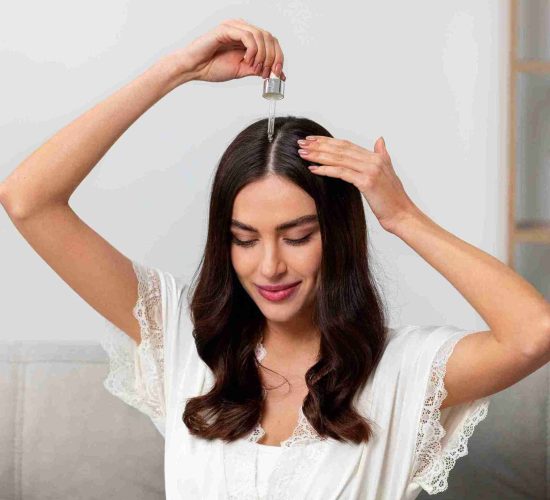
Certain at-home practices can help an individual reduce dandruff symptoms and even avoid dandruff from repeatedly happening. These include:
- Practising proper scalp hygiene
- Staying stress-free
- Massaging scalp
- Brushing or combing hair (when hair is not wet) at least twice daily
- Keeping scalp sun-protected
- Going outdoors to get fresh air
- Finding the right shampooing balance for the scalp.