

April 7, 2025
How to deal with swelling after hair transplant
Hair transplantation is a surgical procedure that involves removing healthy hair follicles from a donor area, which are then implanted through small incisions in the recipient area. Although this is a minimally invasive procedure, it is natural for the areas treated to experience inflammation, especially in the first few days after surgery. However, there are effective ways to reduce swelling after hair transplantation and enjoy a more comfortable post-operative period.
Causes and prevention of swelling after hair transplant
Inflammation is a common side effect of any post-operative scenario, including hair transplantation. After the surgical procedure , the blood vessels in the operated areas tend to dilate to better nourish and repair the damage inflicted on the tissues, boosting the inflammatory processes. This is due to the subsequent accumulation of fluids – a condition called edema – which can cause swelling. This condition is temporary and tends to subside in the days following surgery, as the body reabsorbs the excess fluids and the inflammatory response begins to stabilize.
Post-operative care to reduce swelling
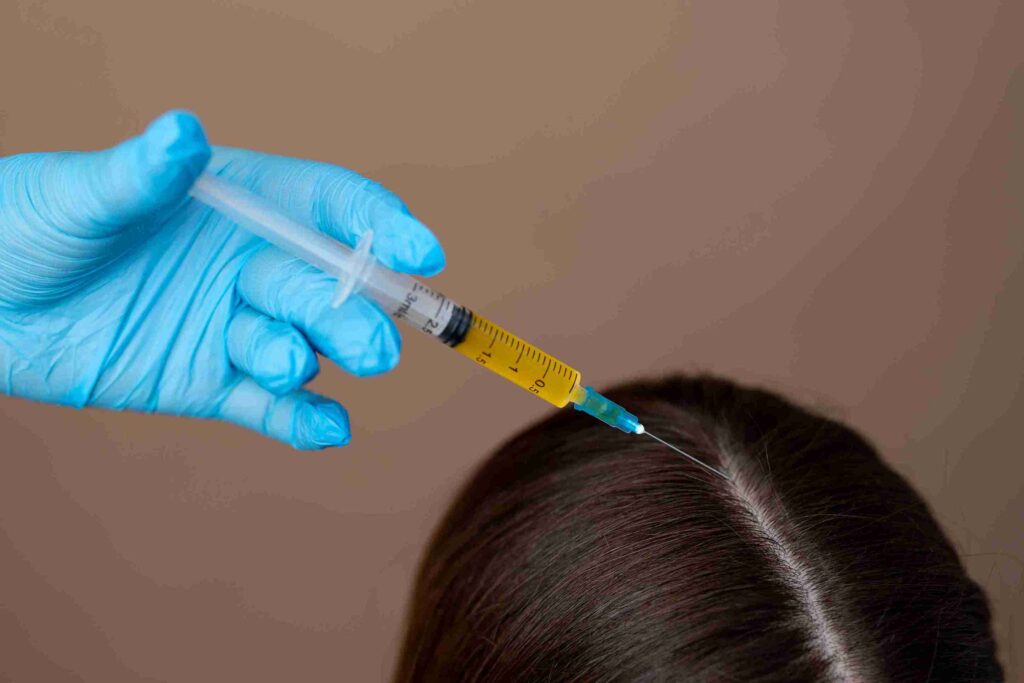
The first few days after the procedure are crucial for the quality of the long-term results. To reduce swelling, patients should keep their head elevated while sleeping with the help of pillows, which facilitates the drainage of fluids accumulated in the forehead and scalp. It is also recommended to apply a cold compress to the forehead, but without touching the transplanted area, as the grafts are still in the fixation phase and any pressure can displace the new follicles. Lastly, it is essential to prioritize rest in the first weeks of recovery, as exercise can cause an increase in blood pressure, worsening swelling in the area treated.
However, for these measures to be effective, patients must strictly take all prescribed medication, including antibiotics and anti-inflammatories. Any questions or unexpected symptoms should be promptly reported to the doctor to ensure a safe and complication-free recovery.
Conclusion
Hair loss is normal when it occurs due to the natural functioning of the hair cycle. However, when hair loss reaches excessive levels, the underlying cause must be determined as soon as possible. Otherwise, a problem that could be merely temporary can become a chronic condition and permanently affect hair health. Therefore, it is essential to pay attention to the normal amount of hair loss and to take a proactive approach if hair loss exceeds the usual daily limits.

