
Jan 06, 2026
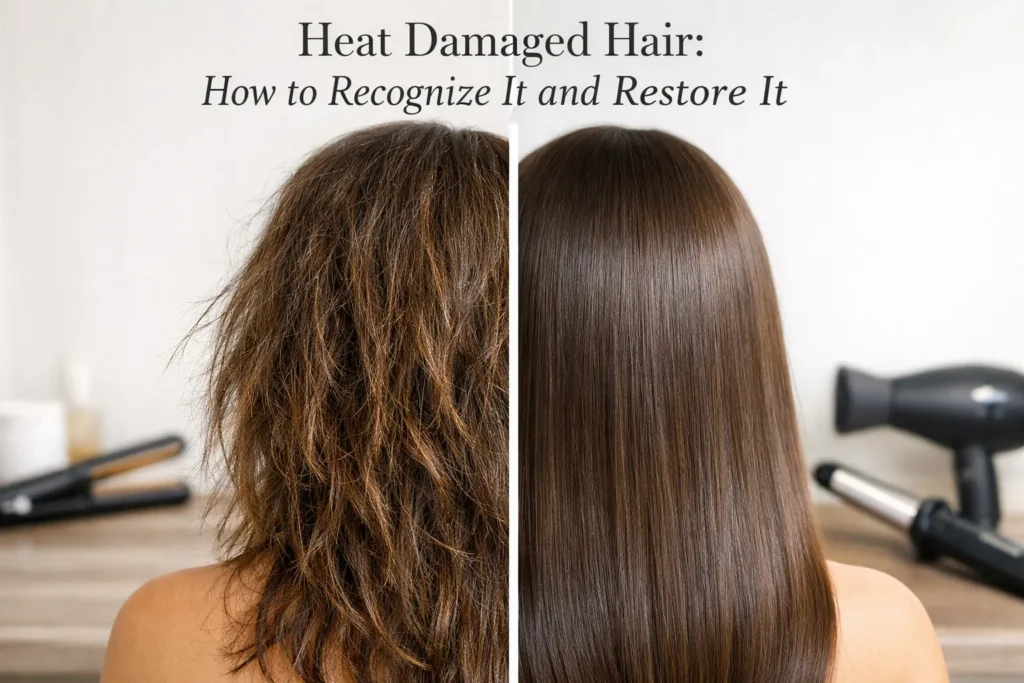
Heat Damaged Hair: How to Recognize It and Restore It
Heat damaged hair is a common problem caused by frequent use of styling tools like straighteners, curlers, and blow dryers. Excessive heat weakens the hair structure, making strands dry, brittle, and prone to breakage. Over time, hair loses its natural shine and strength. Identifying heat damaged hair early and following the right care routine can help repair heat damaged hair and restore damaged hair to a healthier, smoother, and more manageable state.
Why Is Heat Damaging to Hair?
Heat styling tools work at very high temperatures, which strip moisture from the hair shaft. This heat breaks down keratin, the protein that gives hair its strength and elasticity. Repeated exposure causes the cuticle layer to lift, leaving hair vulnerable to dryness and breakage. Without proper protection, heat damaged hair becomes weak and difficult to manage, requiring targeted heat damaged hair treatment.
What Are the Signs of Heat Damaged Hair?
The signs of heat damaged hair often appear gradually and worsen over time if ignored. Hair may start losing its smooth texture, strength, and natural shine. Below are some common symptoms that indicate damage caused by heat styling tools.
Dull, Dry Hair
Heat damaged hair often looks lifeless and feels rough to the touch. Natural oils fail to travel along the hair shaft due to cuticle damage. This leads to constant dryness even after conditioning. Hair may also lose its softness and elasticity. Regular moisturizing alone may not be enough to restore damaged hair.
Split Ends and Breakage
One of the most visible signs of heat damaged hair is split ends. Heat weakens the ends first, causing them to fray and break easily. Hair may snap while brushing or styling. Over time, breakage leads to uneven hair length. Trimming and repair-focused care become essential.
Stubborn Tangling
Heat damaged hair tangles more frequently because rough cuticles catch onto each other. Detangling becomes painful and leads to further breakage. Even gentle brushing can cause hair fall. This is a clear indicator that the hair structure has been compromised by excessive heat exposure.
How Can You Repair Heat-Damaged Hair?
Repairing heat damaged hair requires a combination of the right habits, products, and preventive care. While severe damage may need professional heat damaged hair treatment, consistent at-home care can significantly improve hair health and strength.
Get Broken Ends Trimmed Off
Trimming removes split and damaged ends that cannot be repaired. This prevents further breakage from traveling up the hair shaft. Regular trims help hair look healthier and fuller. It also allows new growth to thrive without damage interference.
Wash Your Hair with Repairing Products
Using shampoos and conditioners designed to repair heat damaged hair is crucial. These products help strengthen weakened strands and improve moisture retention. Look for protein-rich and sulfate-free formulas. Consistent use supports efforts to repair heat damaged hair effectively.
Use This Damage Repair Power Pair
A deep conditioning mask combined with a nourishing serum works as a powerful repair pair. Masks restore moisture while serums seal the cuticle. This combination improves smoothness and reduces breakage. Over time, hair feels softer and looks healthier.
Apply Hard-Working Heat Protection
Heat protectants create a barrier between hair and styling tools. They reduce moisture loss and minimize damage during styling. Applying protection before heat use is essential for preventing further harm. This step is key in any heat damaged hair treatment routine.
Turn the Temperature Down
Lower heat settings reduce stress on hair strands. High temperatures are rarely necessary for effective styling. Using moderate heat helps preserve hair strength. This simple change supports long-term efforts to restore damaged hair.
Reduce Friction and Physical Damage
Friction from rough towels, tight hairstyles, and aggressive brushing worsens damage. Switching to microfiber towels and wide-tooth combs helps minimize stress. Gentle handling prevents further breakage. Small changes can make a big difference in hair recovery.
Conclusion
Heat damaged hair can be improved with proper care, patience, and preventive habits. Identifying the signs early and following a repair-focused routine helps restore damaged hair naturally. Consistency is key to achieving healthier, stronger, and smoother hair over time.
FAQ’s
How do you fix damaged hair from heat?
To fix damaged hair from heat, start by reducing heat tool usage and trimming split ends. Use repairing shampoos, deep conditioning masks, and nourishing serums. Applying a heat protectant before styling prevents further damage. With consistent care, you can repair heat damaged hair and improve its overall texture.
How long does it take to repair damaged hair?
The time required to restore damaged hair depends on the severity of damage and care routine. Mild heat damage may show improvement within a few weeks. Severe damage can take several months. Regular trims and treatments speed up recovery.
How often should I use heat tools safely?
Heat tools should ideally be used no more than once or twice a week. Always use a heat protectant and keep temperatures low. Limiting frequency helps prevent heat damaged hair and maintains long-term hair health.
Can heat-damaged hair be repaired naturally?
Natural oils, masks, and gentle care can improve the condition of heat damaged hair. However, extremely damaged strands cannot fully heal. Natural methods help strengthen hair and prevent further damage when combined with proper habits.
Does coloring or bleaching worsen heat damage?
Yes, coloring and bleaching weaken hair strands and increase sensitivity to heat. When combined with heat styling, damage worsens quickly. Extra care, deep conditioning, and minimal heat use are essential to protect and restore damaged hair.

